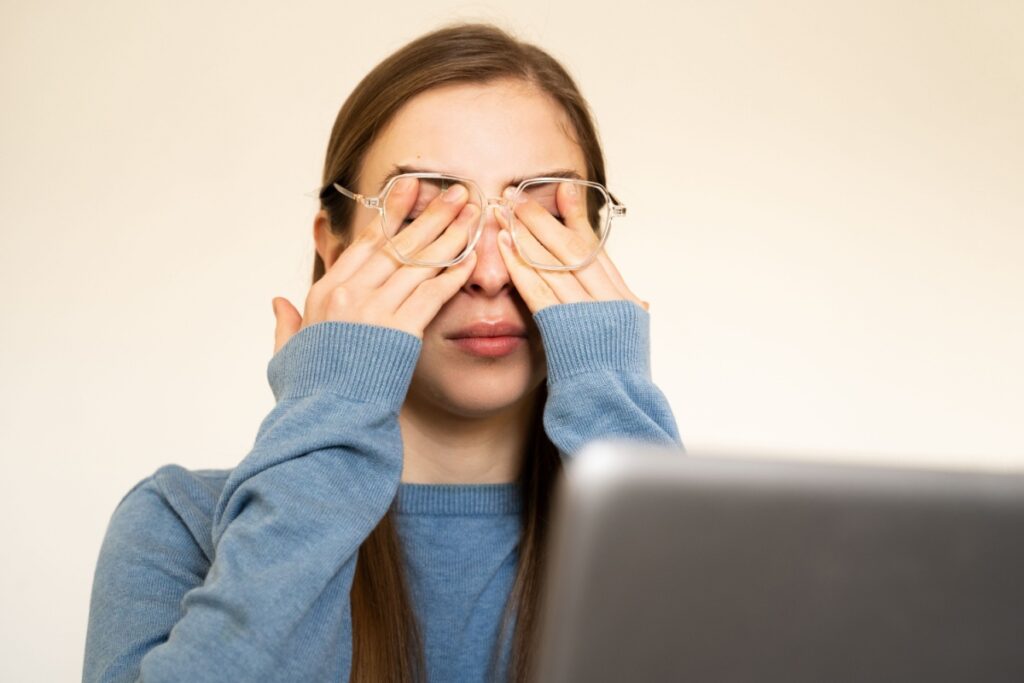
You walk outside on a sunny day and immediately squint, feeling like the light is stabbing your eyes. Or maybe you’re sitting indoors under normal lighting, but your eyes water and ache like someone turned up the brightness too high. Light sensitivity, also called photophobia, makes everyday activities uncomfortable and can leave you wondering what’s wrong with your vision.
Light sensitivity happens when your eyes react more strongly to light than they should, often due to underlying eye conditions, medications, or inflammation that affects how your eyes process brightness. The good news is that most cases can be treated once you identify the root cause at Stonebridge Eyecare with a comprehensive eye exam.
What Causes Light Sensitivity in Your Eyes
Your eyes contain light-sensitive cells that normally adjust to different brightness levels throughout the day. When something disrupts this natural process, even regular lighting can feel overwhelming.
Eye conditions like dry eye and glaucoma commonly lead to light sensitivity. Dry eye happens when your tears don’t provide enough moisture or the right balance of oils to protect your eye surface. This leaves your eyes more vulnerable to irritation from light. Glaucoma can also make your eyes more sensitive, especially during flare-ups or when eye pressure changes.
Certain medications can make your eyes react more strongly to light. Blood pressure medications, SSRIs, antihistamines, and some antibiotics are known to increase photophobia as a side effect. Even eye drops used for other conditions sometimes make light sensitivity worse before it gets better.
Infections or inflammation inside your eye create another common source of light sensitivity. When your eye tissues become swollen or irritated, they can’t filter and process light normally, making bright environments feel painful.
Common Symptoms That Come with Light Sensitivity
Light sensitivity rarely happens alone. You’ll likely notice other symptoms that help paint a clearer picture of what’s affecting your eyes.
The most obvious sign is squinting or closing your eyes when you encounter bright light. This might happen outdoors in sunlight, but also indoors under fluorescent lights, when looking at computer screens, or even in normally comfortable lighting situations.
Headaches often accompany light sensitivity, especially when you’re exposed to bright environments for extended periods. These headaches might feel like pressure behind your eyes or a throbbing sensation across your forehead. Digital eye strain from prolonged screen use can worsen both the sensitivity and associated headaches.
Your eyes might also become watery and feel uncomfortable even indoors. This happens because your sensitive eyes produce extra tears to try to protect themselves from what they perceive as harsh light.
When Light Sensitivity Signals a Serious Problem
Eye Conditions That Need Urgent Treatment
Some types of light sensitivity require immediate attention because they signal serious eye problems. Sudden, severe light sensitivity combined with eye pain can indicate acute glaucoma, which needs emergency treatment to prevent vision loss.
If you notice vision changes along with your light sensitivity — like blurry vision, seeing halos around lights, or dark spots in your field of vision — this combination suggests something more serious than basic eye irritation. These symptoms together can point to conditions affecting the retina or optic nerve.
Watch for symptoms that worsen over several days rather than improving. Progressive light sensitivity often means an underlying condition is getting worse and needs professional treatment. Sudden flashes or floaters combined with light sensitivity can signal retinal problems requiring urgent care.
Signs You Should See an Eye Doctor
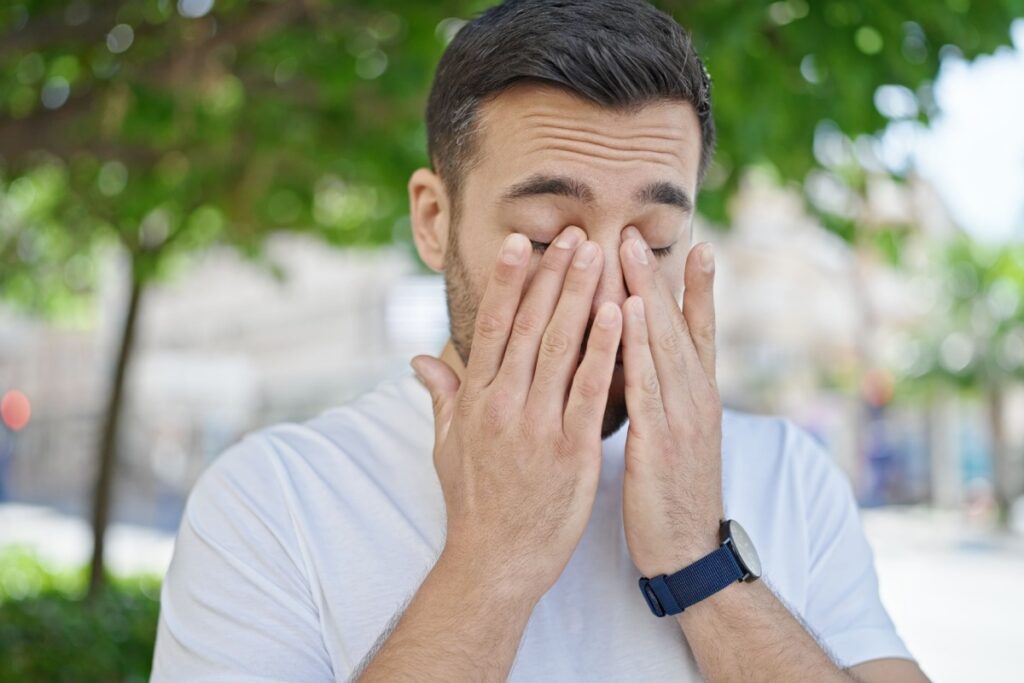
Light sensitivity lasting more than two days without improvement warrants a professional evaluation. While temporary sensitivity from bright sun or eye strain usually resolves quickly, persistent symptoms suggest an underlying issue.
If you notice discharge from your eyes or redness along with light sensitivity, you might have an infection that needs treatment. Conjunctivitis often combines these symptoms and responds well to proper care.
When light sensitivity interferes with your daily activities — like driving, working on a computer, or being comfortable in your own home — it’s time to get help. Your vision shouldn’t limit your ability to function normally.
How Eye Doctors Diagnose Light Sensitivity
An eye doctor can identify what’s behind your light sensitivity through a complete eye exam with specialized tests. This examination looks at all parts of your eye to find the source of your symptoms.
The doctor asks about your specific symptoms and medical history during your visit. They want to know when the sensitivity started, what makes it better or worse, and whether you’re taking any medications that might contribute to the problem.
Glaucoma testing and dry eye evaluation are often part of diagnosing light sensitivity. These tests measure eye pressure, check your tear production, and examine the health of your eye surface to identify common conditions that lead to photophobia. Comprehensive eye exams include specialized imaging that can detect inflammation or other changes affecting light processing.
Treatment Options for Light Sensitive Eyes
Professional Treatments Available
Treating the underlying condition of your light sensitivity provides relief. Dry eye treatment addresses one of the most common sources of photophobia by restoring proper moisture and protection to your eye surface.
Prescription eye drops can reduce inflammation that makes your eyes overly sensitive to light. These medications target the specific type of inflammation affecting your eyes, whether it’s from an infection, allergic reaction, or chronic condition.
Specialty therapeutic glasses can help manage light sensitivity while your eyes heal. These lenses use specific tints and coatings designed to reduce glare and filter light wavelengths that trigger photophobia. Your optometrist can recommend the right lens type based on your specific sensitivity triggers.
Daily Care Tips for Managing Sensitivity
Wearing sunglasses when outdoors protects your sensitive eyes from bright sunlight and UV rays. Choose sunglasses that block 100% of UV light and provide good coverage around your eyes. UV damage can worsen light sensitivity over time, making proper protection important.
Adjust your screen brightness and indoor lighting to comfortable levels. Dimming harsh overhead lights and increasing text size on digital devices can reduce eye strain and sensitivity throughout the day.
Taking regular breaks from bright environments gives your eyes time to rest and recover. If you work under bright lights or spend long periods outdoors, step into dimmer spaces periodically to let your eyes relax.
Get Relief from Light Sensitivity
Light sensitivity doesn’t have to control your daily life. If bright light causes discomfort, squinting, headaches, or watery eyes, schedule a comprehensive eye exam at Stonebridge Eyecare to identify the underlying cause.
We can diagnose and treat conditions like dry eye, glaucoma, inflammation, and infections that trigger photophobia, and recommend solutions to help you return to comfortable daily activities.