
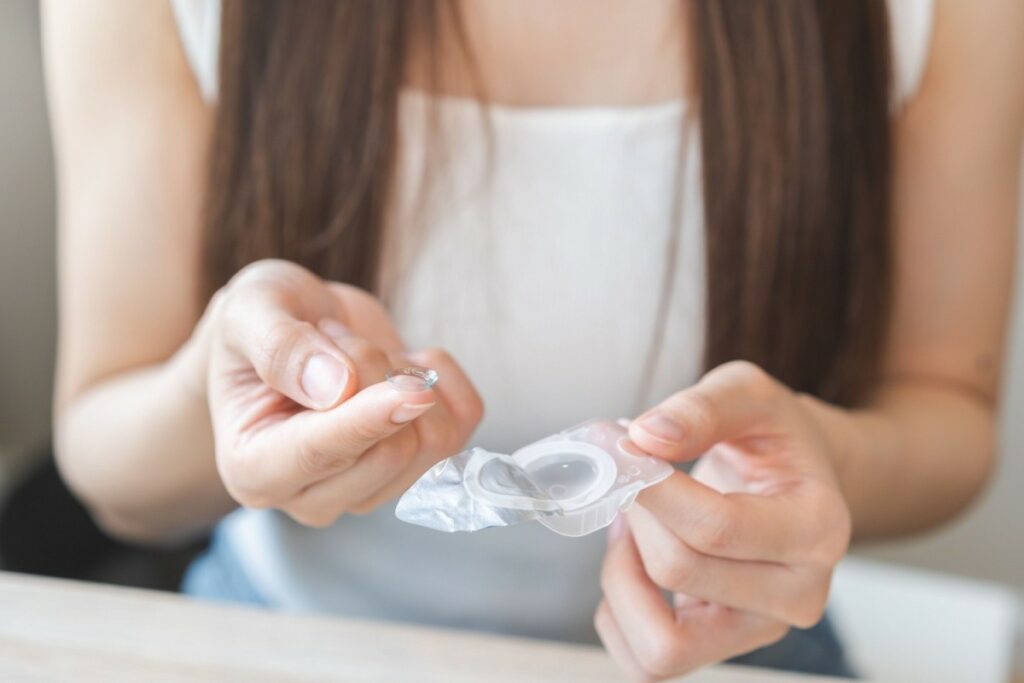
You reach for your contact lens case in the morning and pause. When did you last replace these lenses? Maybe it’s been a few extra days, or perhaps you’ve lost track entirely. This happens to most contact wearers at some point, which is why Stonebridge Eyecare emphasizes proper lens care education during every fitting.
Contact lenses last anywhere from one day to one month, depending on the type you wear. Following the right replacement schedule keeps your eyes healthy and your vision clear, while understanding contact lens fitting options helps you choose what works for your lifestyle.
Contact Lens Types & Their Replacement Schedules
Daily Disposable Contacts
These lenses should be thrown away at the end of each day, no matter how long you actually wore them. Even if you only put them in for a few hours, they go in the trash that night.
Daily lenses offer the freshest, cleanest option, since you get a brand-new pair every morning. You don’t need cleaning solutions or storage cases with this type of lens, and they’re particularly helpful for people with dry eye symptoms.
Weekly & Bi-weekly Contacts
These lenses last 7 or 14 days from the point when you first open the package. The clock starts ticking the moment you remove them from their sterile packaging, not based on how many hours you wear them for.
You’ll need to clean and store these lenses every night in fresh contact solution. Never reuse old solution and never rinse contact lenses with water, as this can put you at risk of infection.
Monthly Contact Lenses
Monthly lenses last 30 days from the day on which you open their packaging. Mark your calendar when you start a new pair so you don’t lose track of the replacement date.
These lenses require the most diligent care routine. You’ll need to clean them daily and replace your lens case every three months to prevent bacteria buildup.
Extended Wear & Specialty Lenses
Some contacts are approved for overnight wear, typically lasting one to six nights continuously. Your eye doctor will determine if you’re a good candidate for sleeping in contacts.
Specialty lenses for conditions like astigmatism or presbyopia follow the same daily, weekly, or monthly schedules. The replacement timing doesn’t change based on the lens design.
Signs Your Contacts Need Replacement
- Blurry or cloudy vision
- Eye irritation or discomfort
- Dry, scratchy feeling
- Protein buildup or deposits
- Tears or damage to the lens
- Increased sensitivity to light
If you notice these symptoms, remove your lenses immediately. If your eyes feel better within a few hours and symptoms don’t return with fresh lenses, you likely just needed a replacement.
Seek immediate care if:
- Discomfort continues after removing lenses
- You experience severe pain or redness
- Your vision remains blurry without lenses
- You notice discharge from your eyes
These could indicate an infection or corneal damage requiring prompt treatment.
What Happens When You Overwear Contacts
Eye Health Risks
Old lenses become breeding grounds for bacteria and other microorganisms. This can cause serious eye infections that require medical treatment and may damage your vision permanently.
Wearing your lenses too long also reduces oxygen flow to your cornea. Your eyes need oxygen to stay healthy, and blocking this supply can lead to corneal swelling and other complications, similar to what happens with corneal ulcers.
Comfort Issues
You’ll notice increased dryness and irritation as lenses break down. The material of your lenses may become rougher and collects more deposits, making your eyes feel scratchy and uncomfortable.
Your eyes may become red and watery as they try to flush out the irritating lens material. This makes wearing any contacts difficult, even fresh ones.
Vision Problems
When you wear your contacts too long, protein and lipid deposits build up on your lenses, making everything look hazy or blurred. You might find yourself squinting more or struggling to see clearly at distances that were never a problem before.
These vision changes can affect your daily activities, from driving safely to reading comfortably. The cloudiness doesn’t improve until you replace the overworn lenses.
Factors That Affect Contact Lens Lifespan
Your Environment
Dusty or windy conditions make lenses collect foreign particles more quickly. Pollen during allergy season also builds up on lens surfaces, reducing their clarity and comfort.
Air conditioning and heating systems dry out your eyes, which makes lenses feel less comfortable as they approach their replacement date.
Humid environments can promote faster bacterial and fungal growth on lenses and in storage cases, increasing infection risk. High humidity can also cause some lens materials to absorb excess moisture, potentially affecting their fit and comfort.
Care & Cleaning Habits
Rubbing your lenses gently with clean fingers before storing them helps remove daily buildup. However, even perfect cleaning can’t extend a lens beyond its safe replacement schedule.
Use fresh contact solution every time and replace your lens case regularly to prevent bacterial contamination. Proper lens care techniques can also help maintain eye health.
Your Eye Chemistry
Some people naturally produce more proteins or lipids in their tears. These deposits can stick to contact lenses and can make them uncomfortable before their official replacement date.
Your natural tear production affects how well lenses stay moist and comfortable throughout the day. If you have dry eyes, your lenses might feel uncomfortable before their expiration date.
Lifestyle Factors
Makeup, hair products, and hand lotions can transfer to your lenses when you handle them. These substances can break down lens materials or cause irritation.
Swimming, showering, or sleeping in contacts (unless they’re approved for overnight wear) exposes them to bacteria and other contaminants that reduce their safe lifespan.
How to Make Your Contacts Last Safely
Proper Storage Techniques
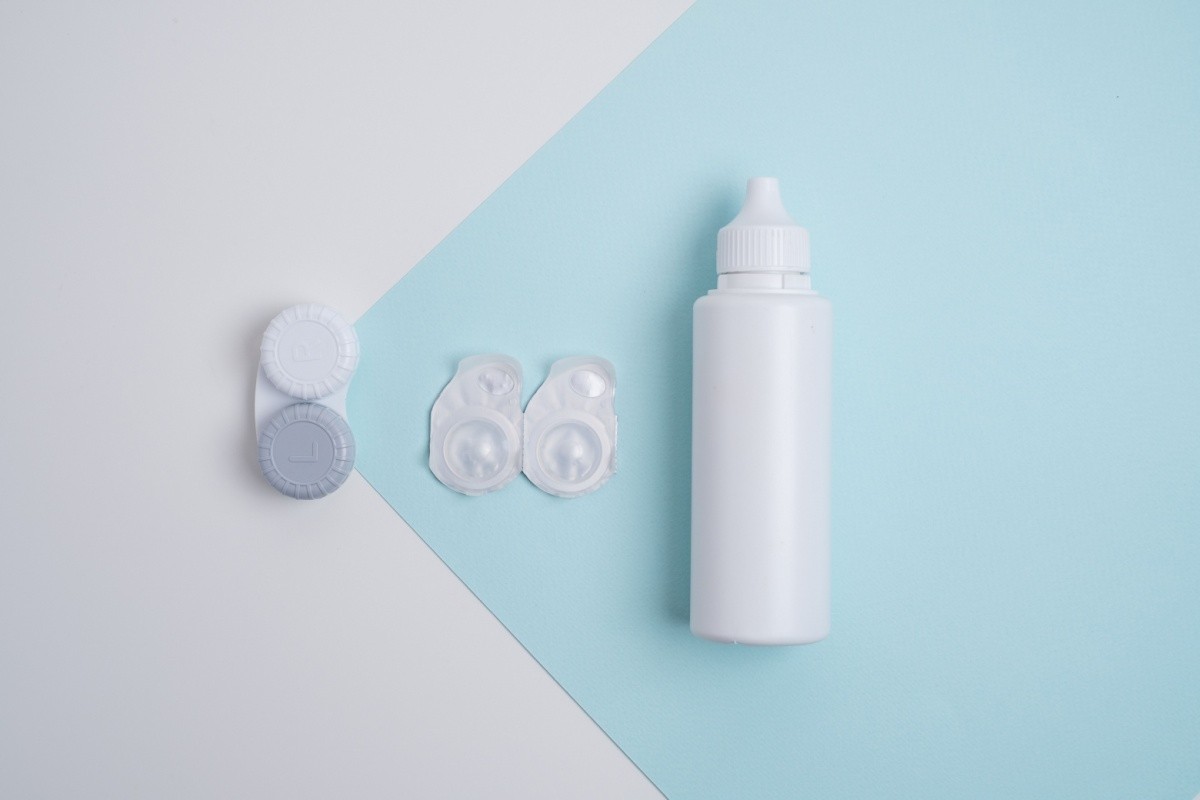
Fill your lens case with fresh solution every time you store your contacts. Never top off old solution or use water, saliva, or any other liquid.
Replace your lens case every three months, or sooner if it becomes cracked or cloudy. Clean cases prevent bacterial infections that can damage both your lenses and your eyes.
Daily Care Routine
Wash and dry your hands thoroughly before touching your lenses. Use the rub-and-rinse method recommended by your optometrist, even with “no-rub” solutions. Long rinsing times recommended with no-rub methods are impractical and patients rarely follow them correctly.
Remove your lenses before swimming, showering, or any water activities. Water contains microorganisms that can cause serious eye infections.
When to Remove Your Lenses
Take out your contacts if your eyes become red, painful, or irritated. Don’t try to push through discomfort, as this can lead to more serious problems.
Remove lenses before using eye drops unless those drops are specifically designed for contact lens wear. Most eye drops can damage lens materials or trap harmful substances against your eyes.
Keep Your Eyes Comfortable
Following the right replacement schedule is one of the most important steps in maintaining healthy, comfortable contact lens wear. Whether you choose daily disposables for their convenience and hygiene benefits, or monthly lenses with a consistent care routine, sticking to your schedule protects your vision and prevents complications.
If you’re experiencing discomfort with your current lenses, struggling to remember replacement dates, or wondering if a different lens type might work better for your lifestyle, our team can help. We’ll evaluate your eye health, discuss your daily routine and preferences, and recommend lens options that match your needs.
Contact our team at Stonebridge Eyecare in Saskatoon for professional contact lens fitting and ongoing care that fits your lifestyle. Schedule your appointment today to find the right lenses and replacement schedule for comfortable, healthy vision.